Embark on a journey into the world of HVAC Service After Home Purchase with this essential AC Repair Guide for New Buyers. Discover the importance of maintaining your HVAC system, how to find reliable service providers, and tips for budgeting repairs and upgrades.
Importance of HVAC Service After Home Purchase
After purchasing a new home, it is crucial to prioritize HVAC service to ensure the proper functioning of your heating, ventilation, and air conditioning systems. Neglecting HVAC maintenance can lead to various issues that affect both your comfort and energy efficiency.
Identifying Common HVAC Issues Post-Purchase
- Dirty or clogged filters: Reduced airflow and efficiency.
- Refrigerant leaks: Inefficient cooling and potential damage to the system.
- Electrical problems: Malfunctioning components or failure to start.
- Lack of maintenance: Wear and tear leading to breakdowns.
Impact of Neglecting HVAC Maintenance
Failure to service your HVAC system post-purchase can result in discomfort due to inconsistent temperatures, poor indoor air quality, and increased energy bills. Regular maintenance not only ensures your system operates efficiently but also prolongs its lifespan, saving you from costly repairs or replacements in the long run.
Finding Reliable HVAC Service Providers
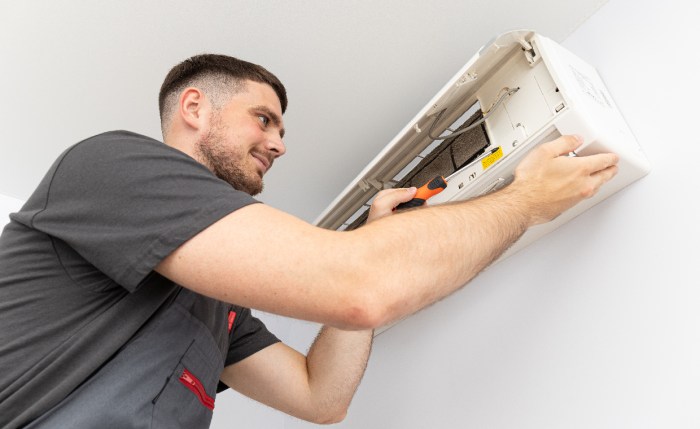
Finding a reliable HVAC service provider is crucial for new homeowners to ensure their AC system is properly maintained and repaired when needed. Here are some tips on how to research and select reputable HVAC service companies:
Checking Licenses, Certifications, and Reviews
When looking for an HVAC service provider, it's essential to check if they have the necessary licenses and certifications to operate in your area. This ensures that they have met the required standards and are qualified to work on your AC system.
Additionally, reading reviews from previous customers can give you insights into the quality of service provided by the company.
- Check for valid licenses and certifications: Before hiring an HVAC service provider, make sure to verify their licenses and certifications. This will give you peace of mind knowing that you are working with a professional who is knowledgeable and skilled in HVAC repair and maintenance.
- Read customer reviews: Take the time to read reviews from previous customers to get an idea of the company's reputation and the quality of service they provide. Look for feedback on their response time, pricing, and overall customer satisfaction.
- Ask for referrals: Don't hesitate to ask friends, family, or neighbors for recommendations on reliable HVAC service providers. Word of mouth referrals can be a great way to find a trustworthy company.
Comparing Service Packages
Different HVAC companies may offer various service packages for new homeowners. It's essential to compare these packages to see which one best fits your needs and budget.
| Service Package |
Details |
| Basic Maintenance |
Includes regular tune-ups and inspections to keep your AC system running smoothly. |
| Emergency Repairs |
Provides 24/7 emergency repair services in case your AC system breaks down unexpectedly. |
| Extended Warranty |
Offers additional coverage for parts and labor beyond the standard warranty period. |
Understanding AC Repair and Maintenance
Regular maintenance is essential to keep your AC system running efficiently and effectively. Here are some typical maintenance tasks required for AC systems and a step-by-step guide on how to troubleshoot common AC problems.
Typical AC Maintenance Tasks:
- Clean or replace air filters every 1-3 months to ensure proper airflow and efficiency.
- Check and clean the evaporator and condenser coils to prevent dust and debris buildup.
- Inspect and clean the blower components for optimal airflow.
- Ensure the refrigerant level is adequate and make any necessary adjustments.
- Inspect and tighten electrical connections to prevent system failures.
Step-by-Step Guide to Troubleshoot Common AC Problems:
- No Cooling:Check thermostat settings, replace air filters, and clean the coils.
- Low Airflow:Check and clean air ducts, replace filters, and ensure vents are open.
- Strange Noises:Inspect for loose parts, clean fan blades, or call a professional for further diagnosis.
- Leaking Water:Check condensate line for clogs, replace filters, and ensure proper drainage.
- Faulty Thermostat:Change batteries, recalibrate settings, or replace the thermostat if necessary.
Regular maintenance not only improves the efficiency of your AC system but also extends its lifespan. By keeping up with these maintenance tasks and promptly addressing any issues, you can ensure your AC system works effectively for years to come.
Budgeting for HVAC Repairs and Upgrades
As a new homeowner, budgeting for HVAC repairs and upgrades is an essential part of maintaining your home's comfort and efficiency. Understanding the costs associated with HVAC systems can help you prepare for unexpected expenses and make informed decisions when it comes to repairs or replacements.
Costs Associated with HVAC Repairs and Replacements
When it comes to HVAC repairs, the costs can vary depending on the type of repair needed and the extent of the damage. Minor repairs such as fixing a leak or replacing a faulty thermostat may cost a few hundred dollars, while major repairs like replacing a compressor or evaporator coil can cost upwards of a thousand dollars.
On the other hand, if your HVAC system is old or constantly breaking down, you may need to consider replacing the entire system. The cost of a new HVAC system can range from $5,000 to $10,000 or more, depending on the size of your home and the efficiency of the system you choose.
Tips for Budgeting for Unexpected HVAC Expenses
- Set aside a portion of your monthly budget for home maintenance and repairs, including HVAC expenses.
- Get quotes from multiple HVAC service providers to compare prices and services before making a decision.
- Consider investing in a home warranty that covers HVAC repairs to help offset unexpected costs.
- Regularly maintain your HVAC system to prevent major breakdowns and extend its lifespan.
Repairing vs. Replacing an HVAC System
When faced with a broken HVAC system, you'll need to decide whether to repair the existing system or replace it with a new one. Here are some pros and cons to consider:
- Repairing:
- Pros: Generally cheaper than replacing the entire system, especially for minor repairs.
- Cons: May end up costing more in the long run if the system continues to have issues.
- Replacing:
- Pros: New systems are more energy-efficient and can lower your utility bills in the long term.
- Cons: Higher upfront costs compared to repairs, may require more time and effort for installation.
Wrap-Up
In conclusion, taking care of your HVAC system after purchasing a new home is crucial for your comfort and energy efficiency. By following the tips and guidelines provided in this guide, you can ensure your AC system remains in top condition for years to come.
Detailed FAQs
What are some common issues that may arise with HVAC systems post-purchase?
Common issues include leaky ducts, clogged filters, low refrigerant levels, and faulty thermostat. Regular maintenance can help prevent these problems.
How can I research and select reputable HVAC service companies?
You can research by checking online reviews, asking for recommendations from friends or family, verifying licenses and certifications, and comparing service packages.
Is it better to repair or replace an HVAC system?
It depends on the age and condition of your system. If the repair costs are high and your system is old, it might be more cost-effective to replace it with a newer, more efficient model.